Portfolio Projects
VPS Infrastructure & Self-Hosted Services Suite
Project Purpose & Description: Personal self-hosted cloud infrastructure suite including custom service and system health monitor, custom email client, and Docker container management dashboard.
Category: Cloud Systems & DevOps | Tech Stack & Keywords: Linux VPS, Docker, Nginx, System Monitoring, Email Server, Self-Hosting
Live Demo URL GitHub Repository 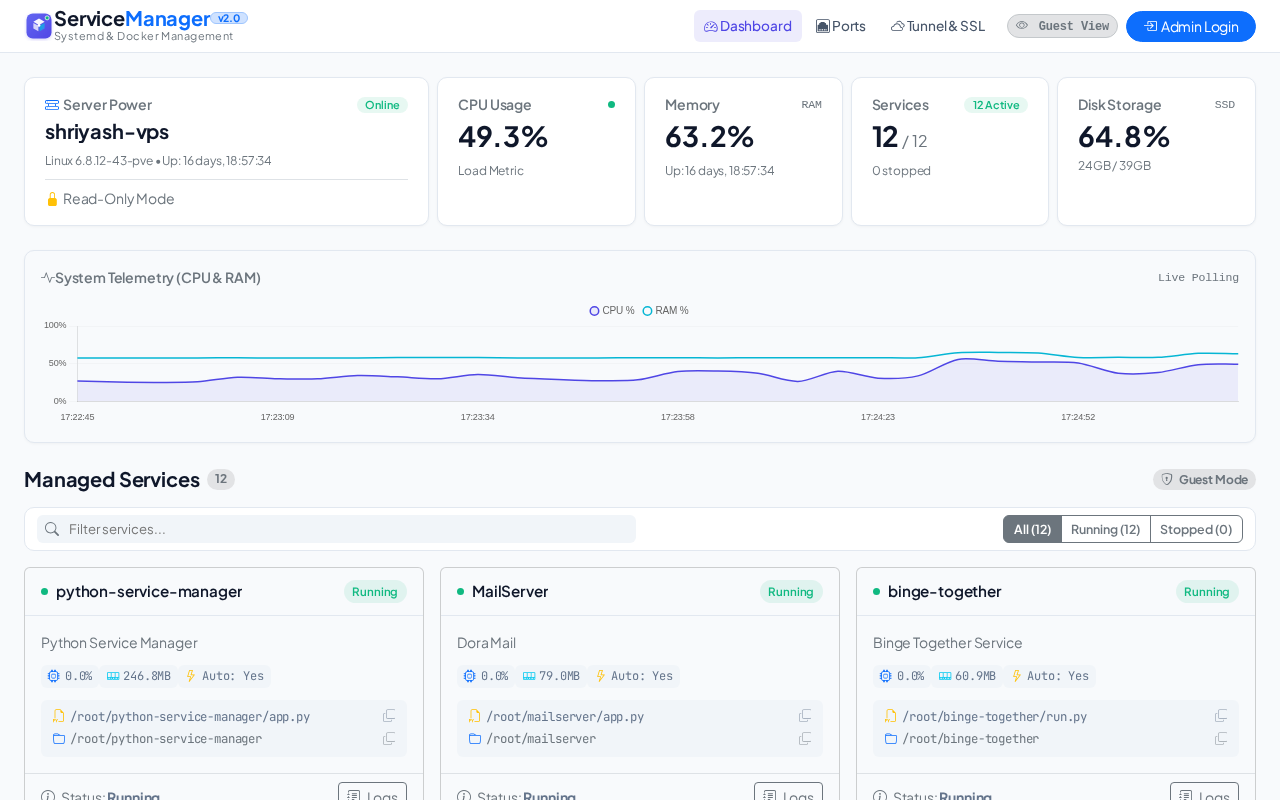
Web Hosting & Deployment Platform for E2S InfoTech
Project Purpose & Description: Custom cloud web hosting platform featuring One-Click Deploy via ZIP with automatic SQL database extraction and provisioning. Integrated Google Antigravity AI agent support for live in-place code adjustments directly on production links in 2–3 minutes.
Category: Cloud Systems & DevOps | Tech Stack & Keywords: PHP, MySQL, Cloud VPS, Google Antigravity, Linux Administration, Automation
Live Demo URL GitHub Repository 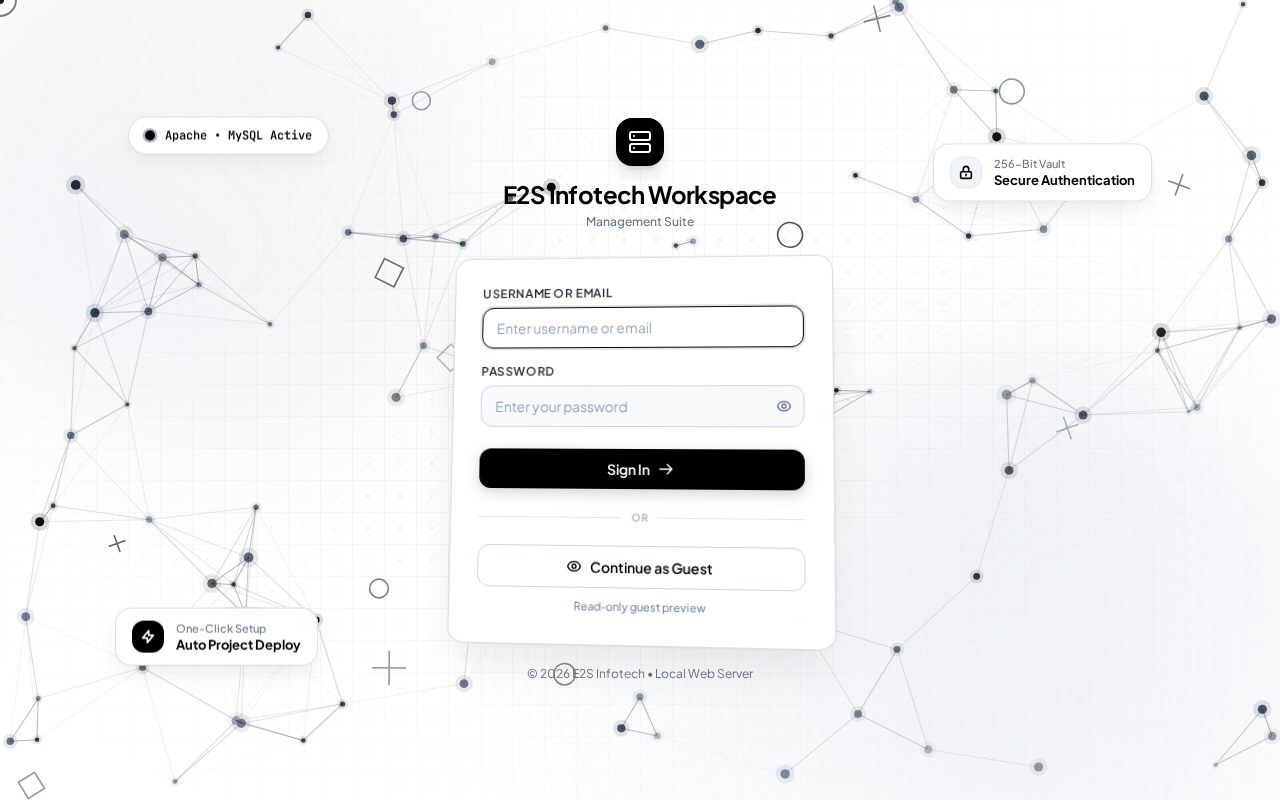
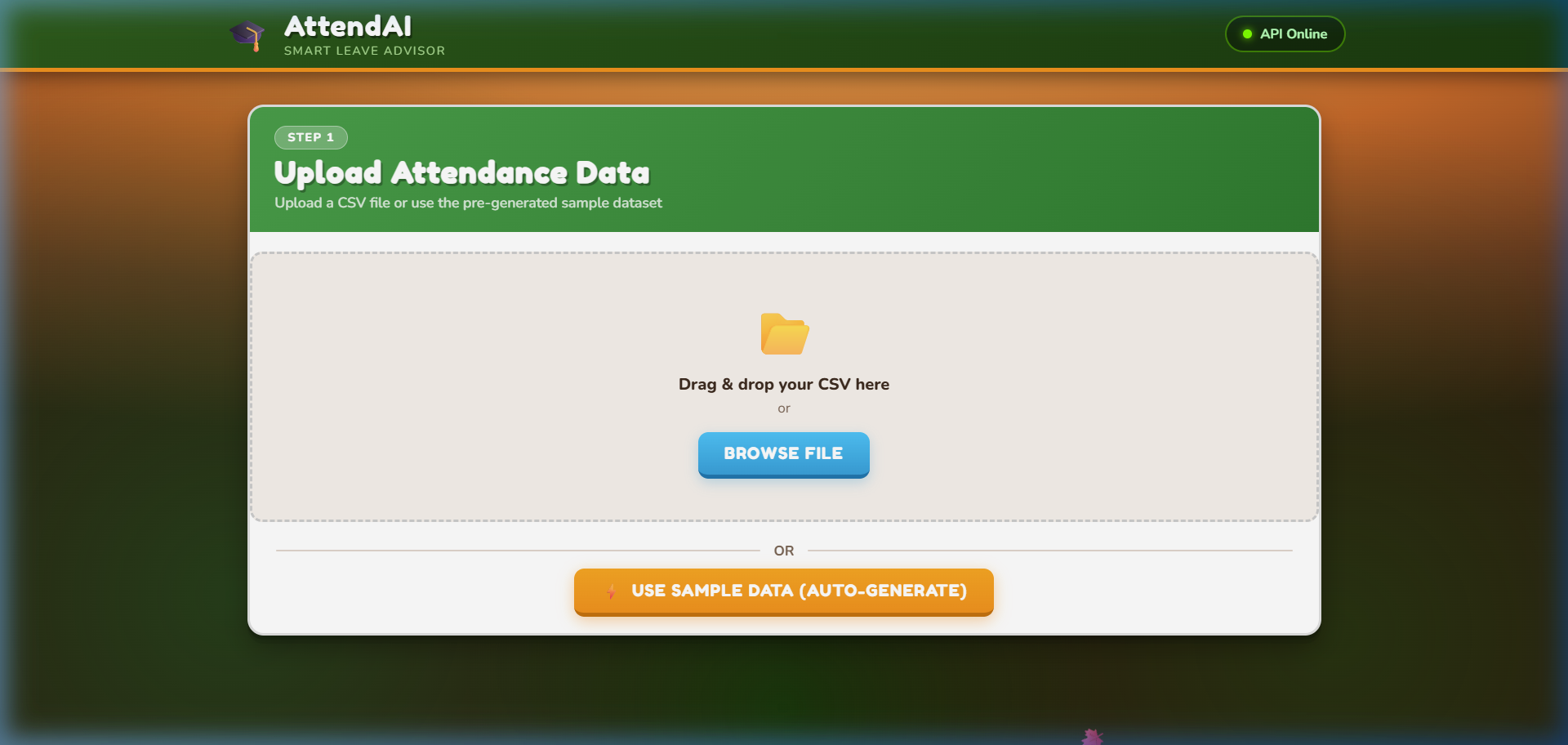
ML-Based Student Attendance Predictor & Risk Clustering
Project Purpose & Description: Engineered a predictive analytics model using Linear Regression to forecast lecture attendance trajectories and analyze student absenteeism trends. Applied K-Means Clustering to segment students into risk profiles (Safe, Moderate, Risky) and generate automated, data-driven attendance recovery recommendations.
Category: Machine Learning | Tech Stack & Keywords: Python, Scikit-Learn, Linear Regression, K-Means, Pandas, NumPy
Live Demo URL GitHub Repository 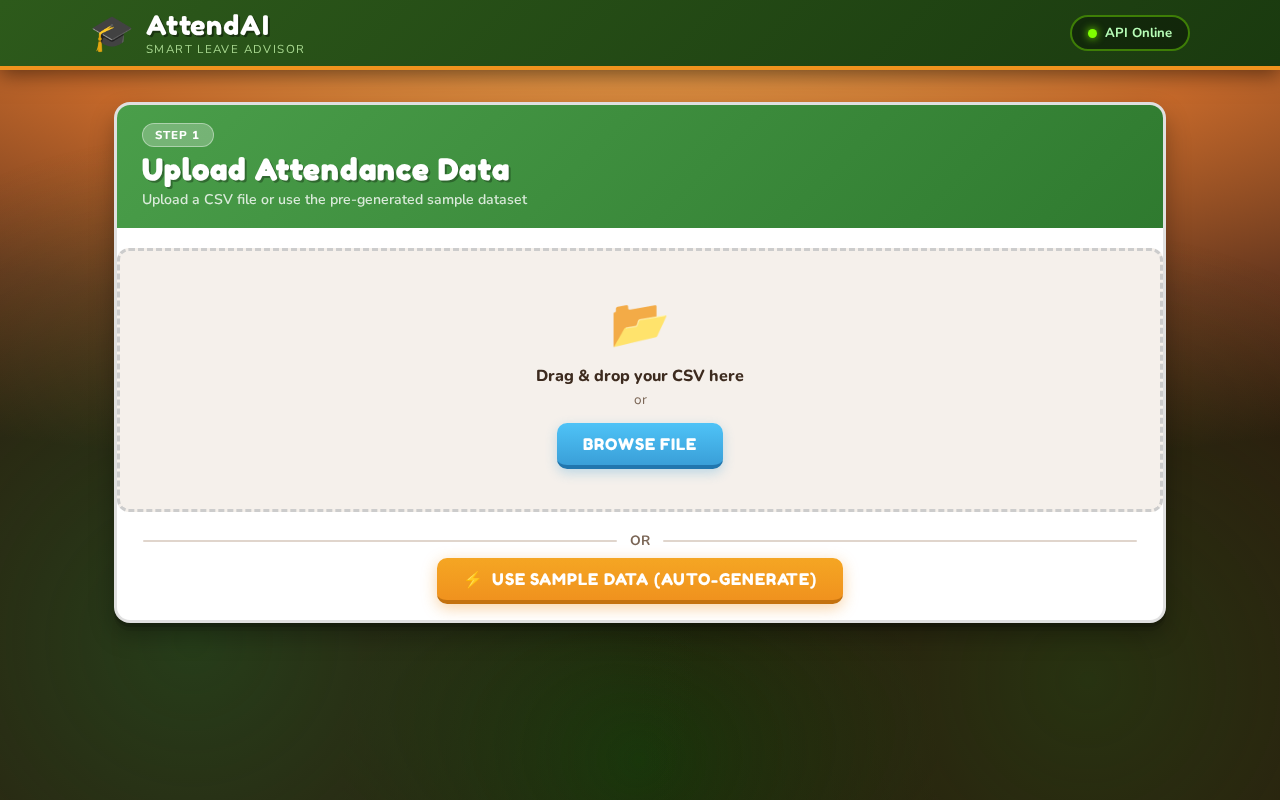
ESP32 Smart IoT Ambient Lighting & Home Automation
Project Purpose & Description: Built a high-performance Java Spring Boot REST API backend communicating bidirectionally with ESP32 microcontrollers to dynamically regulate ambient lighting based on live sensor telemetry and weather data. Engineered a responsive dashboard with customized lighting modes, automated event scheduling, and power-saving sleep routines.
Category: IoT & Automation | Tech Stack & Keywords: Spring Boot, Java REST API, ESP32, MicroPython, IoT Telemetry
Live Demo URL GitHub Repository 
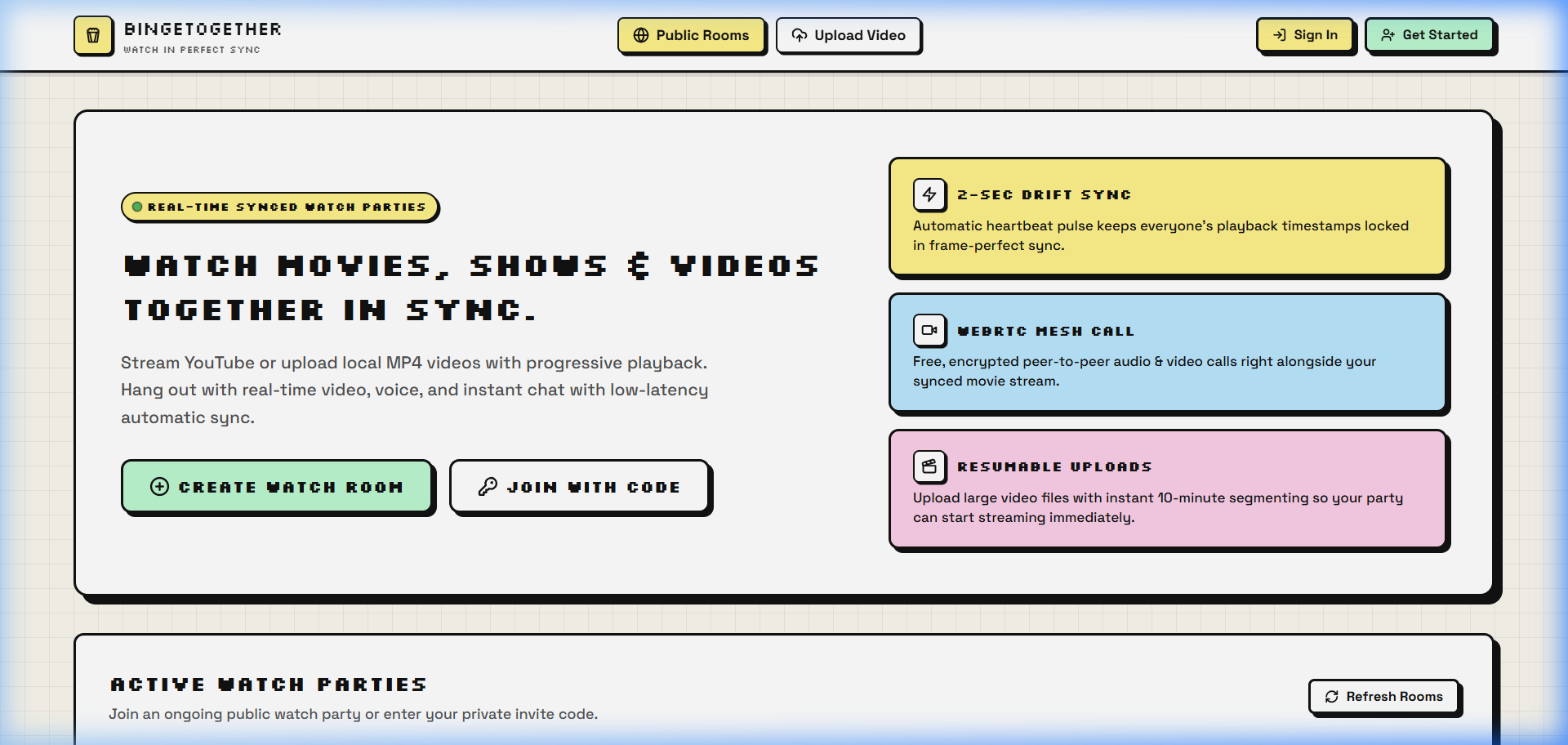
BingeTogether — Real-Time Synchronized Watch Party Platform
Project Purpose & Description: A full-stack watch party application enabling groups of users to stream and watch YouTube or uploaded MP4 videos simultaneously with synchronized playback controls, real-time chat, and integrated WebRTC video/voice calls. Implemented HTTP 206 Partial Content video streaming with client-side 2MB chunked uploads and zero third-party orchestrator dependencies.
Category: Real-Time Streaming | Tech Stack & Keywords: Python, FastAPI, WebSockets, WebRTC, SQLite, HTTP 206, HTML5 Video API
Live Demo URL GitHub Repository 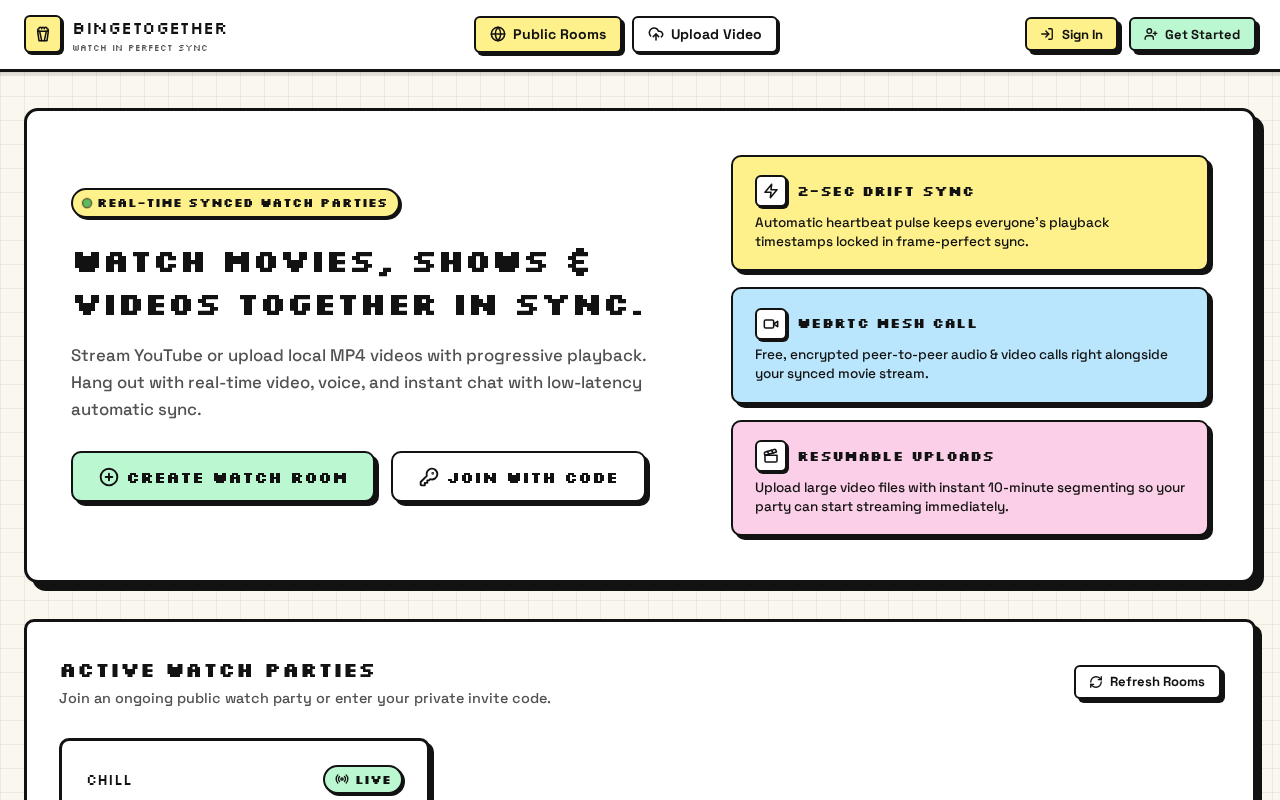
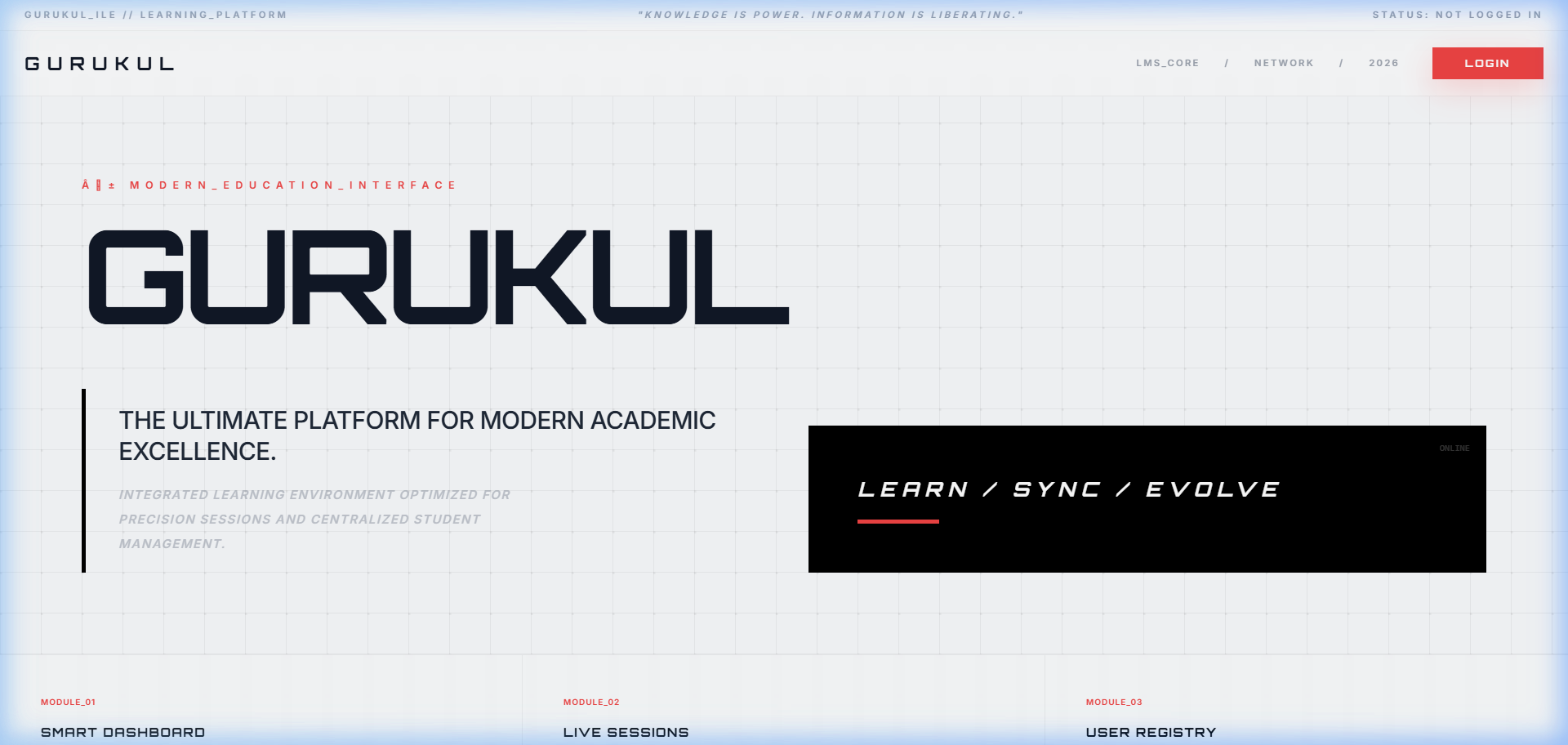
Gurukul & Krutyam AI – Intelligent LMS & RAG Ecosystem
Project Purpose & Description: Architected a self-hosted full-stack LMS managing real-time attendance tracking, timed classroom quizzes, notices, academic records, and automated mark-sheet generation. Engineered Krutyam, an integrated RAG AI assistant using LLaMA 3 (7B) via Ollama and document ranking algorithms to query internal course materials and notices via REST APIs. Integrated multi-user P2P WebRTC video conferencing and Alumni Mentorship Network.
Category: AI & Web Platform | Tech Stack & Keywords: Java Servlets, Spring REST, Python, LLaMA 3, Ollama, WebRTC, Linux VPS, MySQL
Live Demo URL GitHub Repository 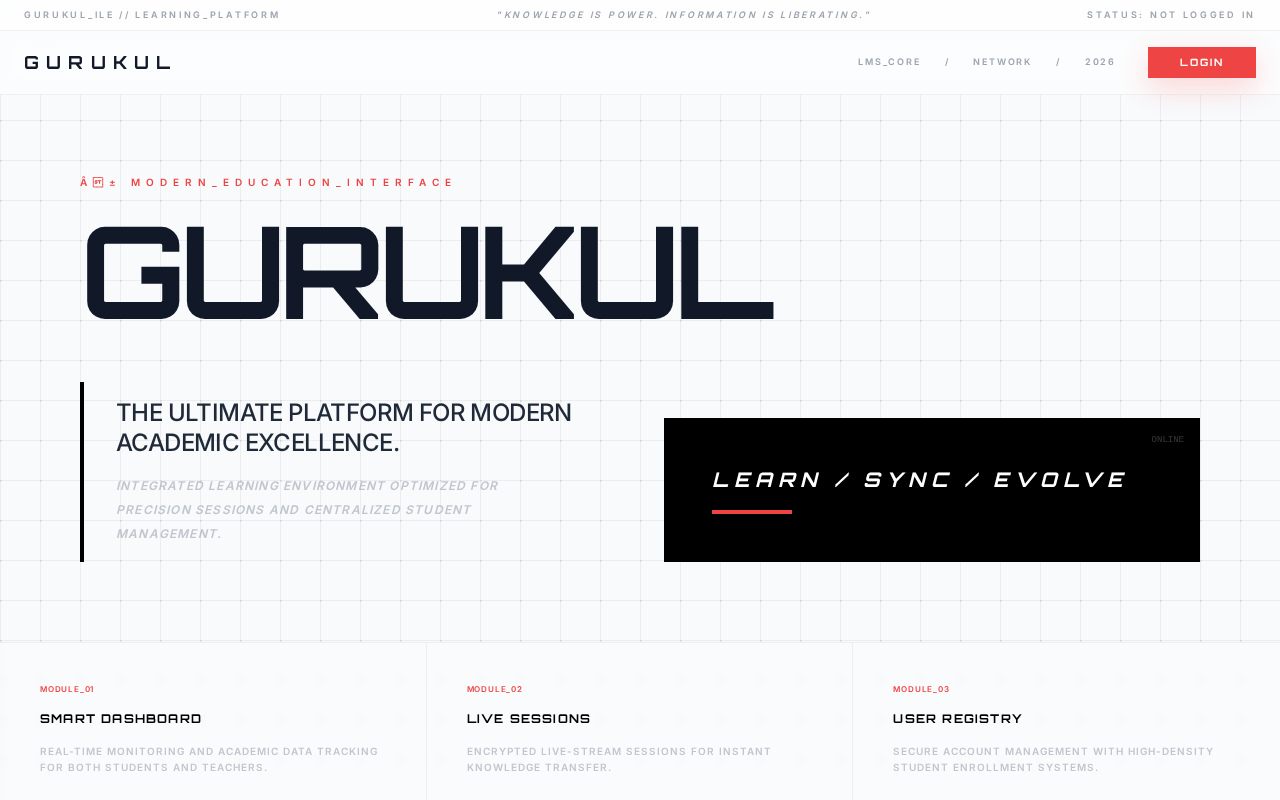
Engineering & Tech Articles
ML Student Attendance Predictor - Shriyash Patil
Subtitle / Heading: Using Linear Regression and K-Means Clustering to forecast academic trajectories and recommend safe leaves.
Article Abstract / SEO Summary: How Shriyash Patil built an AI attendance analyzer using Linear Regression and K-Means Clustering to predict student risk.
Attendance policies in universities are often strict (requiring 75% or 80%), yet students often struggle to understand their trajectory until it is too late. I built an AI-powered attendance analyzer to solve this with predictive modeling.
1. Trajectory Modeling with Linear Regression
The system evaluates historical attendance trends across subject modules and fits a linear regression model to predict the student's final semester percentage if current habits continue.
2. Behavioral Risk Segmentation via K-Means Clustering
Using unsupervised K-Means Clustering, students are categorized into distinct profiles:
- Safe Zone: High buffer above thresholds, eligible for recommended safe leaves.
- Moderate Zone: Borderline attendance requiring consistent recovery lectures.
- Critical / High Risk: Immediate intervention needed to avoid academic debarment.
3. Intelligent Leave Recommendation Engine
The application calculates the exact number of classes a student can safely miss or must attend consecutively to hit institutional requirements, presenting intuitive charts and visual risk indicators.
BingeTogether: Synchronized Watch Parties - Shriyash Patil
Subtitle / Heading: How WebSockets and HTTP Range requests enable seamless multi-user media synchronization.
Article Abstract / SEO Summary: Technical breakdown of BingeTogether: syncing multi-user video playback using FastAPI, WebSockets, and HTTP 206 partial content.
Watching videos together remotely often suffers from annoying sync drift, buffering lags, and complex setup. I created BingeTogether to deliver a lightweight watch-party experience directly in the browser.
1. HTTP 206 Partial Content Video Engine
Instead of relying on heavy third-party media transcoders or HLS slicing pipelines, BingeTogether implements native HTTP 206 Partial Content streaming. The server streams byte-range chunks directly from local storage, allowing smooth scrubbing and immediate video start without high RAM overhead.
2. Sub-Second WebSocket State Synchronization
A centralized room manager tracks play/pause timestamps, playback rate, and client drift over WebSockets. When a host plays, pauses, or seeks, state delta packets synchronize all connected clients in under 50ms.
3. Integrated WebRTC Voice & Video
To let friends react in real-time, the app establishes mesh WebRTC peer connections alongside video playback, combining video sharing and live conversation in a single interface.
Engineering Gurukul & Krutyam AI - Shriyash Patil
Subtitle / Heading: Designing an enterprise Learning Management System backed by local LLM retrieval and WebRTC video.
Article Abstract / SEO Summary: Architecture breakdown of Gurukul LMS and Krutyam AI: LLaMA 3 RAG pipeline, Java Spring REST backend, and WebRTC integration.
Modern educational institutions struggle with fragmented tools: LMS platforms are disconnected from intelligent query systems, and video conferencing requires third-party subscriptions. Gurukul & Krutyam AI was designed to bridge this gap into a cohesive self-hosted ecosystem.
1. Core LMS Architecture
The platform runs on a robust Java Servlets and Spring REST foundation backed by MariaDB. It features role-based access for students, teachers, and administrators to track real-time attendance, organize timed examinations, publish institutional notices, and generate standardized academic reports.
2. Krutyam AI: Local RAG with LLaMA 3
Rather than sending sensitive student data or proprietary course material to commercial cloud APIs, Krutyam AI runs entirely on self-hosted LLMs using Ollama (LLaMA 3 7B):
- Document Indexing & Ranking: Course syllabi, lecture slides, and institutional announcements are chunked and vectorized.
- Retrieval-Augmented Generation (RAG): When a student asks a query, the system retrieves relevant excerpts and primes the LLM with verified internal context, eliminating hallucinations.
3. Real-Time WebRTC Video Conferencing
We built browser-to-browser peer-to-peer WebRTC video classrooms, allowing interactive doubt-clearing sessions and an Alumni Mentorship network with zero license costs.
Building Custom VPS Control Planes - Shriyash Patil
Subtitle / Heading: Why off-the-shelf tools weren't enough, and how custom Python tools streamlined my infrastructure workflow.
Article Abstract / SEO Summary: How Shriyash Patil built Python Service Manager and ServerSync to automate Linux VPS systemd management, Docker control, and backups.
Managing multiple background services, systemd units, Docker stacks, and remote file backups across SSH terminal sessions quickly becomes repetitive. To solve this, I engineered two dedicated tools: Python Service Manager and ServerSync.
1. Python Service Manager: Web-Based Linux Control Plane
Built with Flask, Socket.IO, Systemd APIs, and Paramiko, Python Service Manager is an enterprise-grade web interface for Linux VPS administration. It provides:
- Real-time Telemetry: Streaming CPU, RAM, disk I/O, and hardware metrics straight to the browser via WebSockets.
- Systemd & Microservice Control: One-click Start, Stop, Restart, and live log tailing for any daemon without SSH.
- Docker Stack Management: Inspect container health, restart exited containers, and manage mounts.
- UFW Firewall & Port Diagnostic Suite: Real-time network socket audits to verify open ports and block malicious scans.
- Web SSH & PTY Terminal: Interactive pseudo-terminal directly embedded in the browser.
2. ServerSync: Mobile-First Backup & Restore Engine
To make deployments and site rollbacks painless, I created ServerSync—a FastAPI-based file synchronization server paired with an Android companion app and responsive mobile web UI:
- Instant ZIP-based streaming backups with real-time extraction progress.
- Interactive VPS file location selector to archive any custom folder on demand.
- JWT-authenticated API with strict path traversal protections.
Building tailored tools rather than relying on bloated commercial dashboards gave me lightweight footprint, instant response times, and total control over my server.
My Self-Hosted Linux VPS Journey - Shriyash Patil
Subtitle / Heading: How I transformed a blank Debian VPS into an automated, multi-tenant containerized hosting stack.
Article Abstract / SEO Summary: A deep dive into Shriyash Patil VPS journey: setting up Docker, Nginx reverse proxy, Cloudflare tunnels, and microservice orchestration on Debian Linux.
When I first spun up my Debian VPS, I decided against managed cloud panels like cPanel or Plesk. I wanted to understand every layer of modern cloud infrastructure from the ground up: the kernel, systemd init units, socket management, container isolation, and edge networking.
1. Architecture & Network Ingress
One of the biggest architectural decisions was securing public access without unnecessarily exposing internal application ports to port scanners. I set up an edge routing layer using Cloudflare Tunnels (cloudflared) and an Nginx Reverse Proxy. Nginx sits locally on port 80/443, terminating client requests and proxying them cleanly to isolated backend services.
2. The Docker & Containerization Layer
To eliminate dependency conflicts between legacy PHP stacks, modern FastAPI Python daemons, and Java Spring runtimes, I encapsulated workloads into Docker containers:
- XAMPP Web Stack (PHP 8.2 + Apache): Runs customer sites, portfolio systems, and dynamic APIs.
- MariaDB 10.11: Dedicated high-concurrency relational databases.
- PhpMyAdmin & Roundcube Webmail: Secure administrative web interfaces.
3. Resilient Service Orchestration
Every non-dockerized microservice (like our ML predictive services and BingeTogether watch party engine) is managed via custom systemd service units with automated crash loops, memory monitoring, and automated restarts on failure.
Managing this VPS taught me more about production reliability, Linux networking, and systems automation than any sandbox environment ever could.
Building High-Performance Web OS Architectures with PHP PDO & Vanilla JS
Subtitle / Heading: A deep dive into window management, async state synchronization, and desktop UI paradigms in modern browser apps.
Introduction
Building a full operating system environment inside a web browser requires clean state management and event-driven window architecture. In this article, we explore how PHP PDO backends pair seamlessly with Vanilla JS event loops.
Key Architectural Patterns
- Event-Driven Window Manager: Z-index stacking and drag events.
- RESTful Backend Endpoints: Lightweight JSON responses without heavy framework overhead.
- CSS Glassmorphism: Backdrop filters and modern dark mode styling.
By keeping dependencies minimal, load times remain lightning fast while providing an ultra-rich user experience!
Achievements, Hackathon Wins & Certifications
Academic Excellence Award (9.76 CGPI in B.Sc. CS)
Category: Academic | Organization: University of Mumbai / Pillai HOC College (2025)
Description: Maintained outstanding academic standing with a 9.76 CGPI throughout Bachelor of Science in Computer Science.
2nd Place Winner - Hackocalypse Hackathon
Category: Hackathon | Organization: Pillai HOC College of Arts, Science & Commerce (2024)
Description: Won 2nd Place for building an AI-powered Smart Attendance & Leave Recommendation System featuring AI chatbot report generation, Face Recognition, Excel export, live online reporting, and Geo-fencing.
1st Prize & Best Paper - APJ Abdul Kalam Research Seminar
Category: Research & Innovation | Organization: Pillai HOC College of Arts, Science & Commerce (2025)
Description: Awarded 1st Rank for presenting research paper on Self-Hosted Cloud Architectures, showcasing how individuals can take control of their digital identity and self-host email, cloud storage, Git, and streaming services.